Understanding the Biochemical Mechanisms Behind Stroke Risk, Brain Damage, and Recovery
- Exploring What Causes Stroke and What Happens in the Brain During a Stroke
- Examining the Underlying Risk Factors and Damage Pathways After Stroke
- Discovering Evidence-Based Strategies for Stroke Prevention and Recovery
Register for This Groundbreaking Live Webinar
Exclusive for Live Attendees
 Live-Attendee Giveaway!
Join us LIVE for a chance to win an exclusive 30-minute consultation with Dr. Goodenowe. One lucky attendee will be selected at random towards the end of the webinar. Disclaimer: This is a purely educational conversation, not intended to diagnose or treat any disease.
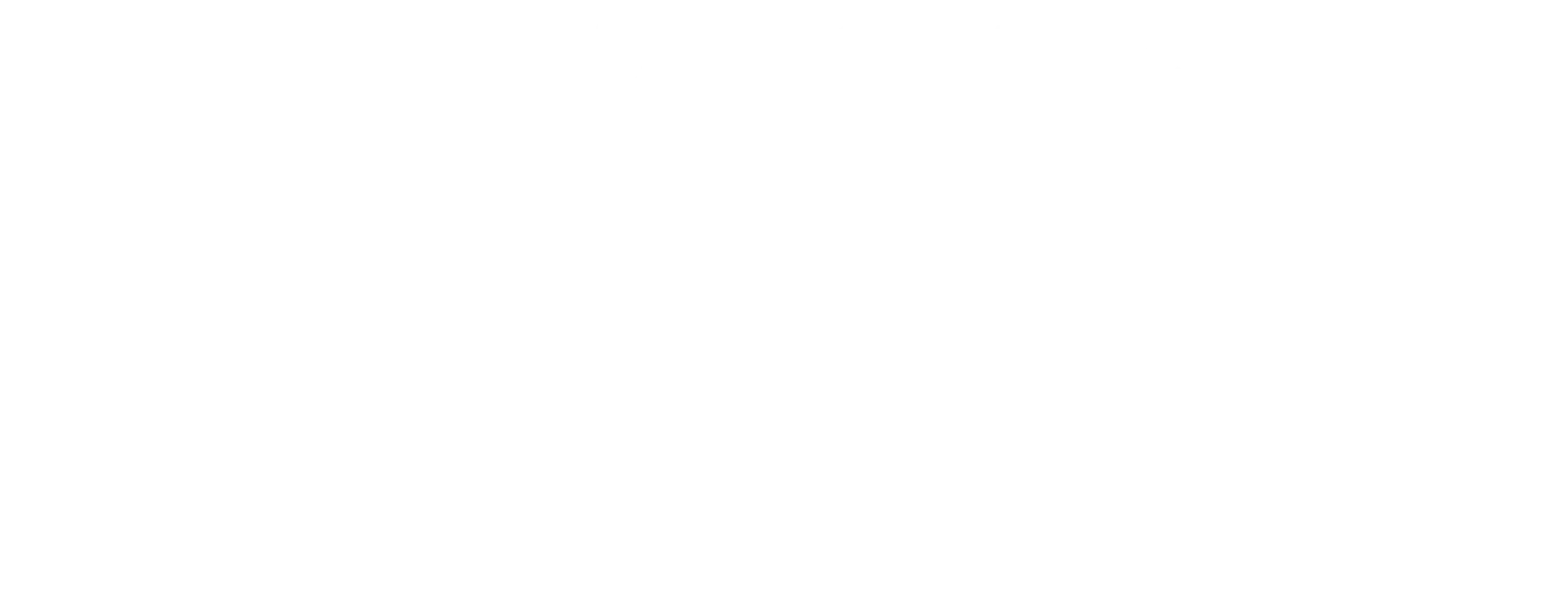
Join Dr. Dayan Goodenowe for a comprehensive discussion about the true underlying mechanisms of stroke: what causes a stroke, what happens to the brain during and after a stroke, and what emerging science reveals about preventing future strokes and recovering from stroke damage.
Understanding Stroke: Risk, Resilience, and Repair
The thought of suffering from a stroke is very frightening. However, very few people understand what causes a stroke and what causes the damage that arises after a stroke.
A stroke isn’t just about blood clots or burst blood vessels.
Understanding stroke requires understanding what actually happens in the brain when blood flow is disrupted. What biochemical systems are responsible for brain cell survival, and which mechanisms are responsible for brain damage, recovery, and repair.
It is one of the most misunderstood aspects of health that we face.
The First Step Forward is Understanding What Stroke Really Is
FEBRUARY 4th, 4PM PACIFIC
Nearly 800,000 people in the United States have a stroke each year. Stroke remains a leading cause of death and long-term disability.
But here’s what most people don’t understand: stroke damage isn’t just from the initial event. It’s a cascade of biochemical changes that unfold over hours, days, and weeks after blood flow is disrupted—driven by specific changes in cellular metabolism, inflammation, and brain cell communication.
Stroke damage is a measurable process. It’s a process that can be influenced.
And understanding what causes stroke risk, what happens during a stroke, and what the biochemical systems are that support brain recovery and repair is something everybody needs to know.
Stroke damage is a measurable process. It’s a process that can be influenced.
And understanding what causes stroke risk, what happens during a stroke, and what the biochemical systems are that support brain recovery and repair is something everybody needs to know.
FEBRUARY 4th, 4PM PACIFIC
What Really Happens When Stroke Occurs
Through advanced biochemical research and neurological analysis, scientists have identified the specific mechanisms that drive stroke damage:
- Energy Depletion: Brain cells lose their energy supply within minutes, triggering a cascade of cellular stress
- Excitotoxicity: Neurotransmitters flood the brain, causing excessive neuronal firing and cell death
- Inflammatory Cascade: Immune responses activate, potentially causing more damage than the initial event
- Oxidative Stress: Free radical damage spreads beyond the initial stroke zone, affecting surrounding tissue
The challenge is that conventional approaches focus on emergency intervention and rehabilitation rather than addressing the underlying biochemical factors that determine stroke risk and recovery potential.
Why do some people recover remarkably well from strokes while others experience devastating long-term disability?
Because we’re not addressing the root biochemical causes: the metabolic vulnerabilities and cellular stress patterns that create conditions favorable for either brain resilience or deterioration.
The Hidden Biochemical Truth About Stroke
Most people think stroke is something that just “happens” or is purely a matter of genetics and bad luck.
But the reality is far more complex and, crucially: far more hopeful.
There are measurable systems that determine stroke risk and recovery:
The risk component – vascular health, blood chemistry, and metabolic factors
The damage component – what happens during and immediately after the stroke
The recovery component – repair mechanisms, neuroplasticity, and cellular resilience
Research shows that stroke outcomes depend on specific biochemical systems: energy metabolism, inflammatory balance, antioxidant capacity, and cellular repair mechanisms.
When these systems are compromised, stroke risk increases and recovery is limited. When they’re supported, the brain can demonstrate remarkable resilience and repair capabilities.
More importantly, technology of today can allow us to identify stroke risk factors and support brain recovery such that stroke damage can be minimized and brain function can be restored.
Research shows that stroke outcomes depend on specific biochemical systems: energy metabolism, inflammatory balance, antioxidant capacity, and cellular repair mechanisms.
When these systems are compromised, stroke risk increases and recovery is limited. When they’re supported, the brain can demonstrate remarkable resilience and repair capabilities.
More importantly, technology of today can allow us to identify stroke risk factors and support brain recovery such that stroke damage can be minimized and brain function can be restored.
Understanding Stroke at the Biochemical Level
- What Causes Stroke - Understanding the underlying risk factors that make stroke possible and how to identify them
- What Happens During Stroke - The biochemical cascade that unfolds when blood flow to the brain is disrupted and what determines the extent of damage
- The Nature of Stroke Damage - How energy depletion, excitotoxicity, inflammatory cascades, and oxidative stress drive progressive brain cell death
- Brain Recovery Mechanisms - The biochemical pathways that support neuroplasticity, cellular repair, and functional restoration after stroke
- Prevention Strategies - Essential biomarkers of stroke risk and recovery potential and how to measure them
- Recovery Pathways - Technology and biochemical mechanisms being studied to support brain recovery, minimize stroke damage, and restore neurological function
Register Now: This Science Changes Everything
Dr. Goodenowe presents the latest research on dementia and cognitive decline that will challenge conventional understanding and provide cutting-edge scientific insights into brain function, metabolic health, and neuronal resilience.
FEBRUARY 4th AT 4 PM PACIFIC
INTRODUCING OUR SPEAKER
Dr. Dayan Goodenowe
World-Renowned Neuroscientist & Bestselling Author
Dr. Dayan Goodenowe is a world-renowned neuroscientist whose research into the biochemical mechanisms of disease started in 1990. His curiosity about the biochemistry of life remains as insatiable today as it was over three decades ago.
Dr. Goodenowe invented and developed advanced diagnostic and bioinformatic technologies, designed and manufactured novel biochemical precursors, and identified biochemical prodromes of numerous diseases including cardiovascular disease, Alzheimer’s disease and dementia, Parkinson’s disease, multiple sclerosis, stroke, autism, amyotrophic lateral sclerosis (ALS), schizophrenia, bipolar disorder, depression, and multiple types of cancer.
As the founder of Prodrome Sciences and author of the bestselling book “Breaking Alzheimer’s,” Dr. Goodenowe’s research focuses on identifying and correcting the biochemical imbalances that affect cellular function—long before disease becomes irreversible.
His current focus is to defeat the entropy of aging by creating strategic biochemical and biofunctional reserve capacity in advance of known disease risks, enabling the human body to maintain optimal physical and biological functions.
As the founder of Prodrome Science and author of the bestselling book "Breaking Alzheimer's," Dr. Goodenowe's research focuses on identifying and correcting the biochemical imbalances that affect brain function—long before symptoms become irreversible.
His current focus is to defeat the entropy of aging by creating strategic biochemical and biofunctional reserve capacity in advance of known disease risks, enabling the human body to maintain optimal physical and biological functions.

A New Approach to Understanding Stroke
This presentation offers evidence-based, scientifically-grounded understanding of stroke that explores the biochemical foundations of stroke risk, brain damage mechanisms, and recovery potential.
What You'll Discover:
- The biochemical factors that create stroke risk at the cellular level
- What actually causes a stroke and is it possible to prevent a stroke
- What happens to the brain during a stroke and what determines the extent of damage
- The essential biomarkers of stroke risk and recovery and how to measure them
- How energy depletion, excitotoxicity, inflammation, and oxidative stress drive brain damage
- Dr. Goodenowe's vision for preventing future strokes and supporting brain recovery after stroke
Live Webinar Details

Exclusive for Live Attendees
Live-Attendee Giveaway!
Join us LIVE for a chance to win an exclusive 30-minute consultation with Dr. Goodenowe. One lucky attendee will be selected at random towards the end of the webinar. Disclaimer: This is a purely educational conversation, not intended to diagnose or treat any disease.
IT'S GOING TO BE A LECTURE YOU WON'T WANT TO MISS
Why Attend This Event?
- Live Q&A with Dr. Goodenowe on stroke biochemistry and brain health
- Exclusive research insights on stroke prevention and recovery pathways
- Chance to receive exclusive attendee offer
- Cutting-edge research on the biochemical mechanisms of stroke
- Community connection with others seeking to understand brain health
- Evidence-based strategies for stroke prevention and supporting brain recovery
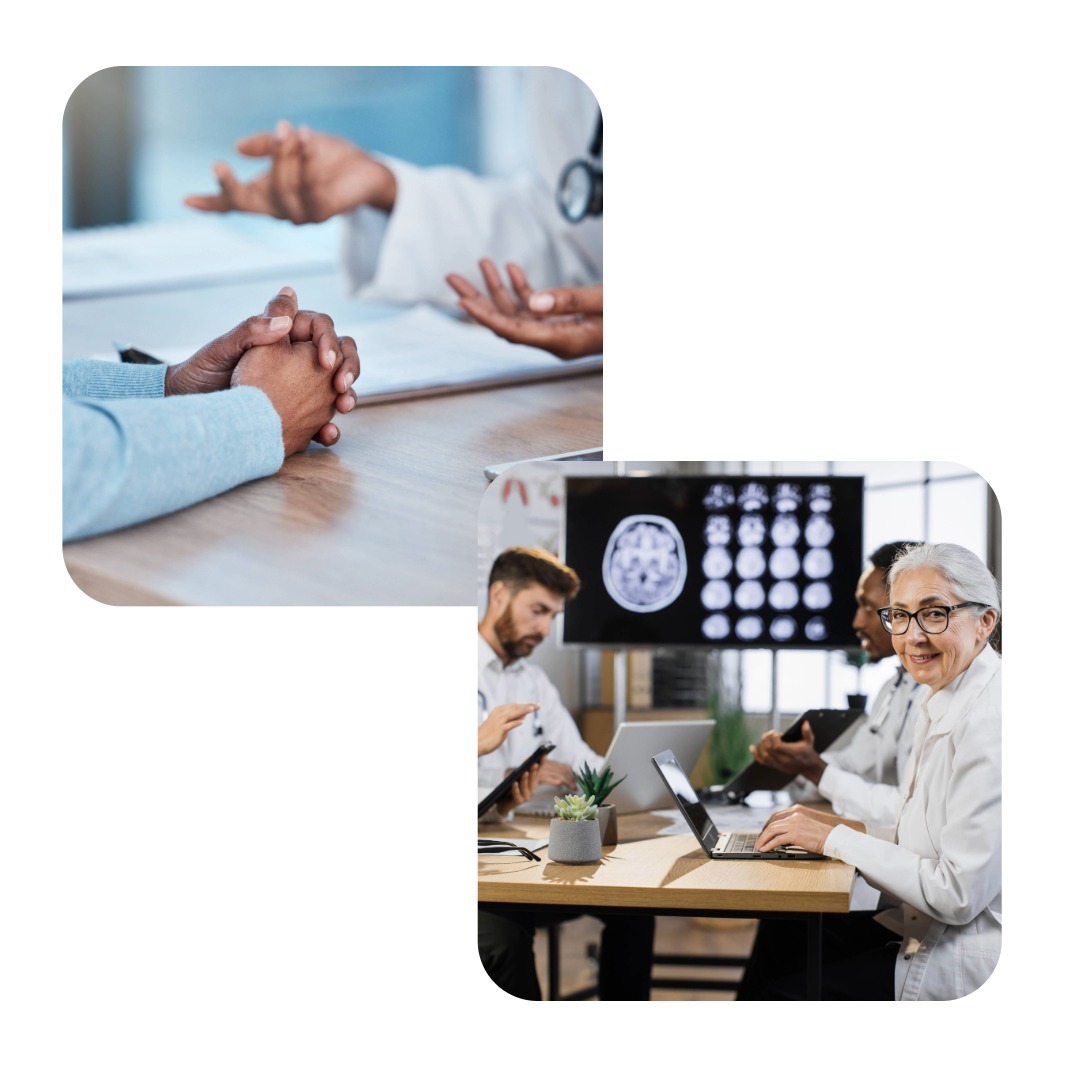
Don't Miss This Groundbreaking Presentation
Whether you’re concerned about your own stroke risk, caring for someone who has experienced a stroke, or want to understand this topic at a deeper level, this presentation provides direct scientific insights backed by decades of biochemical research.
Dr. Goodenowe will break down the details of stroke in a way that everyone can understand, and show you technology and ways in which stroke risk can be identified and brain recovery can be supported.
If you or a loved one has experienced a stroke or is at risk for stroke, then you’re going to want to listen to how brain function can be restored and future strokes can be prevented.
GROUNDBREAKING RESEARCH REVEALED
What People Are Saying About Dr. Goodenowe's Work
"Dr. Goodenowe's research has completely changed how we understand disease at the biochemical level. His scientific approach provides hope grounded in real science, not speculation."
"Finally, someone who explains the mechanisms behind disease in a way that makes sense and empowers us to think differently about health."
"I am an Apollo Health Coach with a background in Bio/chem, and when I listened to Dr. Goodenowe's research, I was fascinated, intrigued and blown away. My heart beats for science, and his work has started to 'hang together' in ways that make real sense."
"Dr. Goodenowe's approach to biochemistry is revolutionary. He doesn't just talk about treating disease—he addresses the underlying mechanisms that can make a real difference in cellular health."
The Science of Understanding Starts Here
Join hundreds discovering new pathways for understanding stroke at the most fundamental level: the biochemical mechanisms that determine stroke risk and recovery.
FEBRUARY 4th AT 4 PM PACIFIC
This webinar is presented by Perpetual Health in partnership with Prodrome Sciences. Dr. Goodenowe’s research-based insights are grounded in peer-reviewed science and decades of biochemical research.
This presentation is for educational purposes only and not intended as medical advice. Stroke is a complex condition requiring medical supervision.
Always consult with qualified healthcare professionals regarding any health concerns or treatment decisions.