Understanding RCDP

The Critical Role of Plasmalogens

Understanding Rhizomelic Chondrodysplasia Punctata (RCDP) is essential in recognizing its impact on development and survival.

This educational resource provides comprehensive information on the disorder, highlighting both classic and non-classic forms and the significance of plasmalogens in cellular health.


What is RCDP?

Rhizomelic Chondrodysplasia Punctata (RCDP) is a rare genetic disorder, affecting approximately one in 100,000 live births. This condition is characterized by a severe deficiency in plasmalogens, leading to significant developmental challenges and a high mortality rate, with about 40% of affected children not surviving past age 10. RCDP manifests in two forms: the classic form, which includes symptoms like rhizomelia (shortening of upper arms and thighs), congenital cataracts, profound developmental delays, and respiratory issues; and the non-classic form, presenting milder symptoms and less severe developmental impacts. The disorder is caused by mutations in genes responsible for plasmalogen biosynthesis, crucial for normal cellular function in the brain and muscles.

What are plasmalogens?

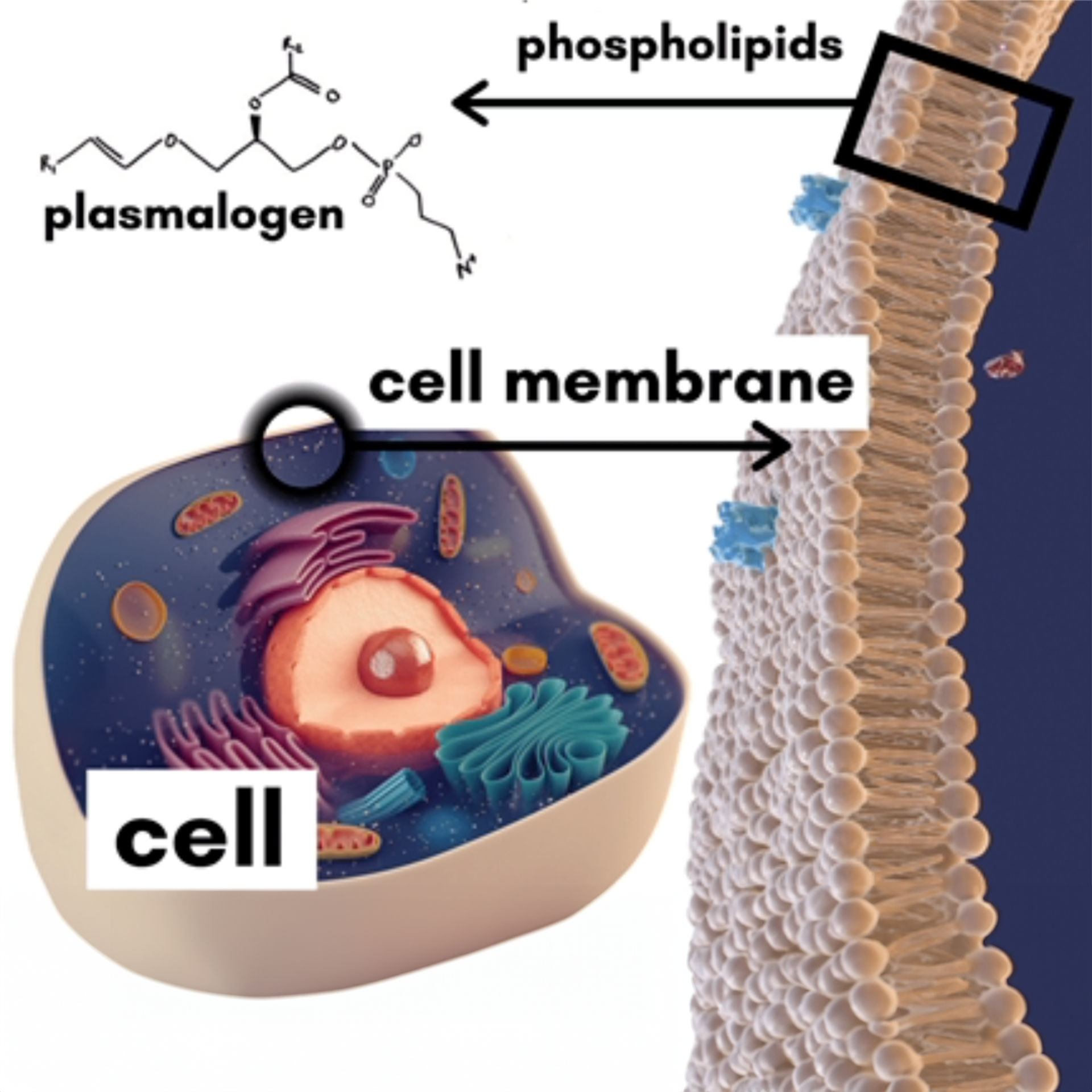
Plasmalogens are a unique type of glycerophospholipid, crucial for various cellular functions in our body.


Essential for life, these molecules form the building blocks of cellular membranes, creating barriers like the walls of an apartment, separating and compartmentalizing different cellular components and organelles.


While we can obtain most glycerophospholipids from our diet, plasmalogens are an exception. They are primarily synthesized in peroxisomes, a specialized organelle present in almost all body cells. They are less stable outside the body, often breaking down in the stomach’s acidic environment. Their unique composition and function underscore their importance in cellular health and regulating various biological processes.


Plasmalogens play a vital role in brain and nerve function. A deficiency in these lipids is central to RCDP, affecting the myelination process and brain development. Addressing this deficiency through targeted therapies can lead to marked improvements in health and development.
Plasmalogen restoration: A ray of hope

Dr. Dayan Goodenowe’s pioneering research in plasmalogen restoration has opened new avenues of hope in the battle against RCDP and similar demyelinating diseases. Going beyond the realms of research, in 2022, he established a charity committed to supporting children and families affected by these conditions. This charity not only provides access to revolutionary treatments but also ensures that families grappling with RCDP are not alone in their journey.

Zoom Call with Dr. Goodenowe

Engage directly with Dr. Goodenowe in a personal Zoom call to discuss RCDP and plasmalogen therapy.

Products Delivered at No Cost to Families

Benefit from essential plasmalogen supplements completely free of charge for families.

ProdromeSCAN™ Available Upon Request

Request a detailed blood scan to monitor plasmalogen levels and track the progress of your therapy.

Continued Support by Dr. Goodenowe

Receive ongoing guidance and support from Dr. Goodenowe, ensuring the best possible outcomes in your journey.

Do you have a child with RCDP and would like to learn more about plasmalogen restoration?

Real stories of the life changing impact of plasmalogens

Dr. Dayan Goodenowe’s dedication to understanding and treating plasmalogen deficiencies has led to significant advancements in RCDP treatment, mainly through plasmalogen restoration therapy.

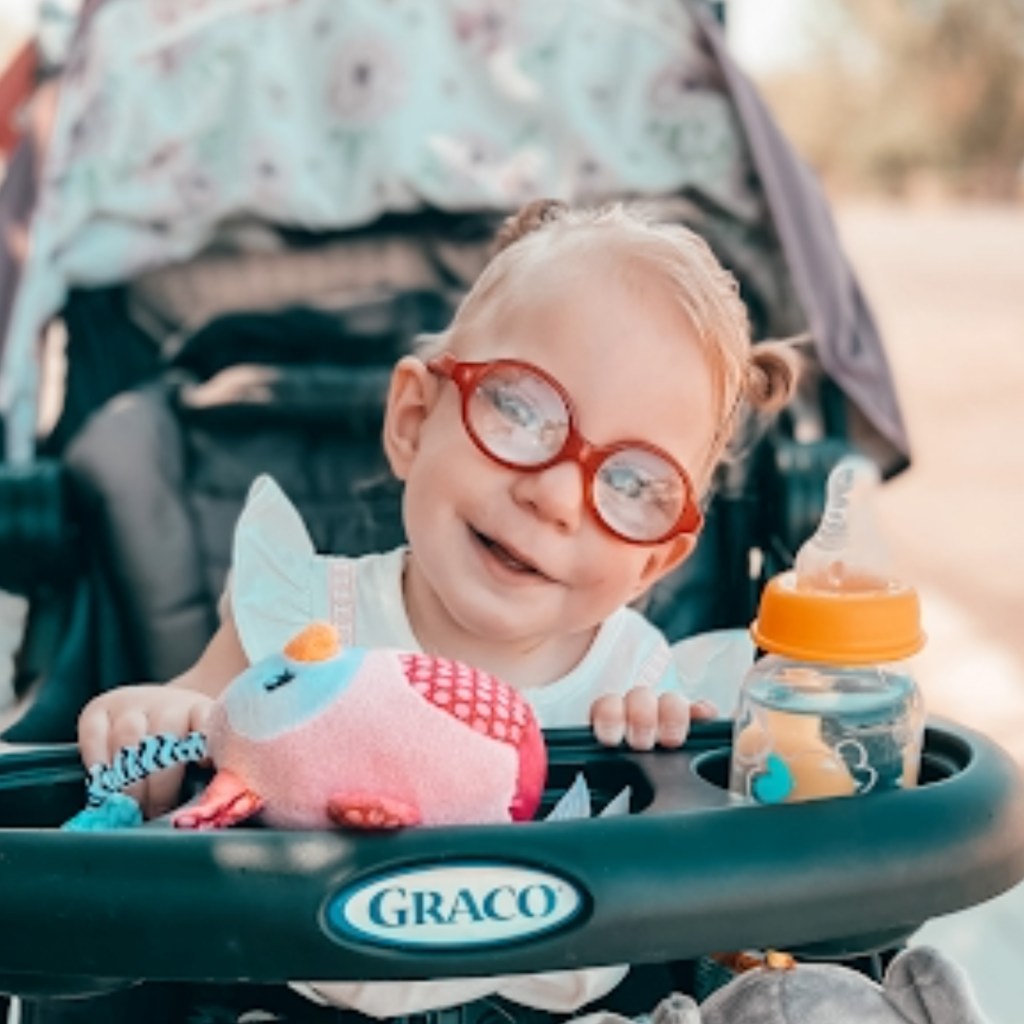
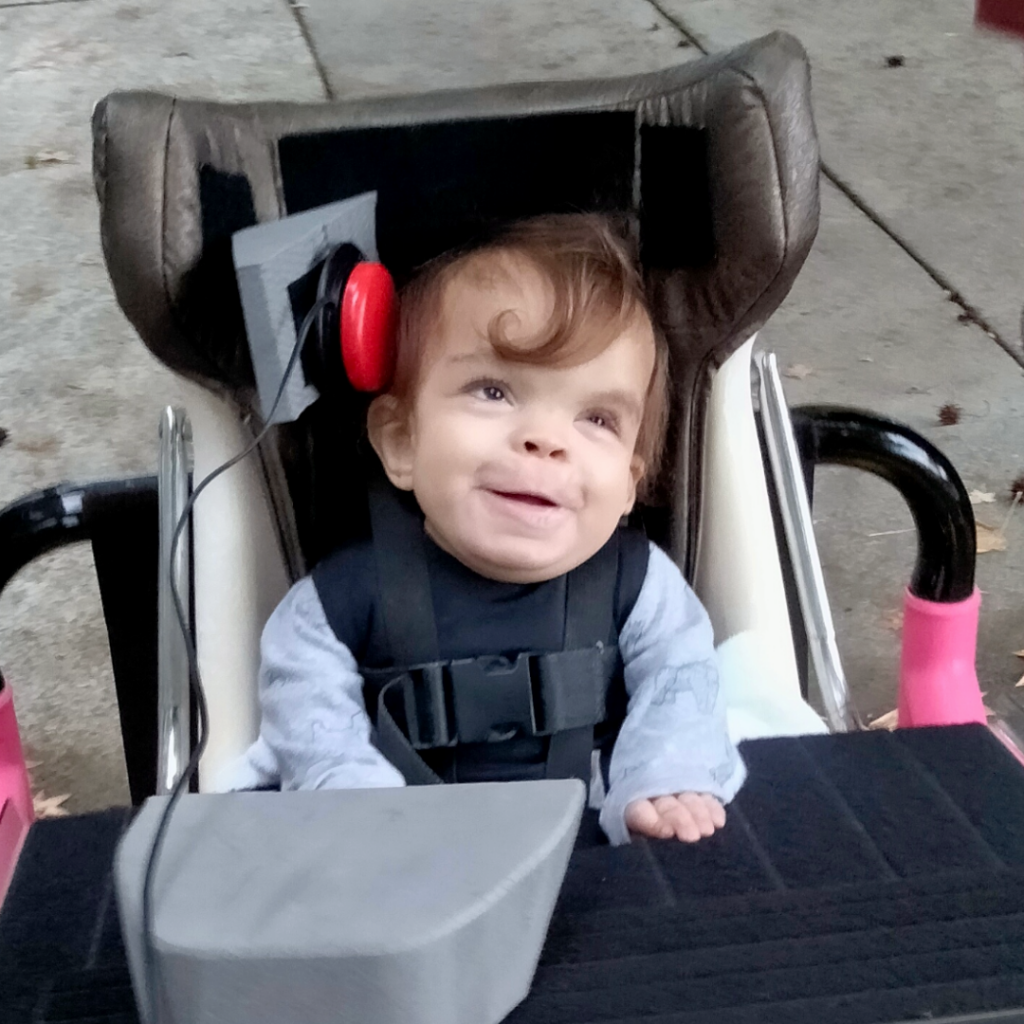
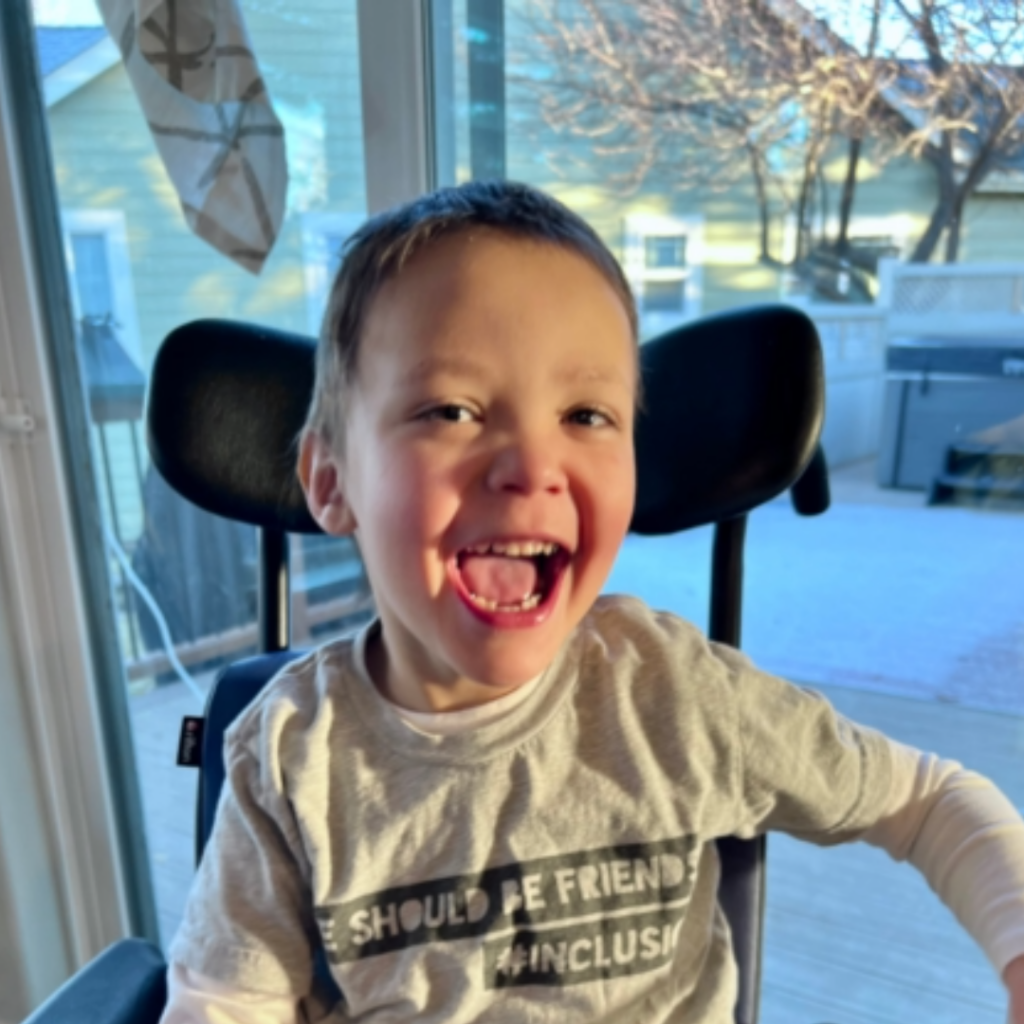
This innovative approach has profoundly impacted the lives of children like Thatcher and Nova, both of whom have non-classic RCDP. Seven-year-old Thatcher experienced remarkable improvements in mobility and heart function, overall health and quality of life while Nova, diagnosed with RCDP at 18 months, showed rapid developmental progress after starting the therapy. Her ability to walk more stably, improved balance, enhanced eye contact, and increased engagement with her environment and family are testaments to the therapy’s potential. These cases underline the transformative power of plasmalogen restoration in improving the quality of life for RCDP patients, offering new hope and possibilities.

Thatcher's Story

Thatcher is 7 years old and wasn't diagnosed with non-classic RCDP until he was almost 5. Learn more about Thatcher's journey here:

Nova's Story

Nova is 4 years old and was diagnosed with non-classic RCDP when she was 18 months old. Learn more about Nova's journey here.

Tytann's Story

Tytann is 2 years old and was diagnosed with classic RCDP before he was born. There have been many ups and downs but through it all he still finds a way to smile and laugh. We look forward to sharing his story soon!

Breaking RCDP - The definitive lecture series

Embark on a journey of understanding Rhizomelic Chondrodysplasia Punctata (RCDP) with Dr. Dayan Goodenowe’s course, Breaking RCDP. Spanning seven lectures, this series is tailored for everyone, whether you’re a parent of a child with RCDP, a practitioner, or simply interested in the topic.

Dr. Goodenowe brings clarity to the complex scientific aspects of RCDP, ensuring the content is approachable and comprehensible, regardless of your background.

Join us to gain insightful knowledge about RCDP in an accessible and engaging format.

Frequently asked questions

RCDP and its broader implications

The study of RCDP is crucial for understanding neurodevelopmental and neurodegenerative disorders linked to plasmalogen deficiencies, including Alzheimer’s, ALS, and Autism. Dr. Goodenowe’s presentation, Rhizomelic Chondrodysplasia Punctata (RCDP): A Rare Children’s Disease That May Be The Key To Reversing Neurological Decline in Aging, sheds light on RCDP and its broader implications.


Dr. Goodenowe’s research highlights the importance of plasmalogen in human health, with its depletion linked to neurological decline in aging. Both children with RCDP and adults with cognitive challenges show improved cognition and mobility with plasmalogen supplementation.

More than just research

If you're a parent seeking information on plasmalogen restoration for a child with RCDP, or if you wish to connect with other parents like Nicole (Thatcher's Mom) or Maddilynn (Nova's Mom) who are currently navigating this journey, please reach out. Our family support group provides a platform to share experiences, challenges, and achievements, fostering a supportive network for anyone dealing with RCDP. We also welcome individuals interested in neurodevelopmental disorders and plasmalogen research. Join our community to contribute to the growing understanding and treatment of these complex conditions.

Please reach out to our team, and we can connect you.

Send us an email: info@drgoodenowe.com or join our Facebook support group: Pediatric Plasmalogen Deficiencies and Related Disorders Recovery Group

To learn more about plasmalogen restoration and to schedule a free informational Zoom call with Dr. Goodenowe, please contact us at info@drgoodenowe.com