The Future of Concussion Recovery
Tracking TBI Healing with Advanced Brain Imaging

Tracking TBI Healing with Advanced Brain Imaging
Learn about the latest developments in restorative brain health research and how it applies to autism: Mitochondrial stress, neuroinflammation, impaired myelination, and more.
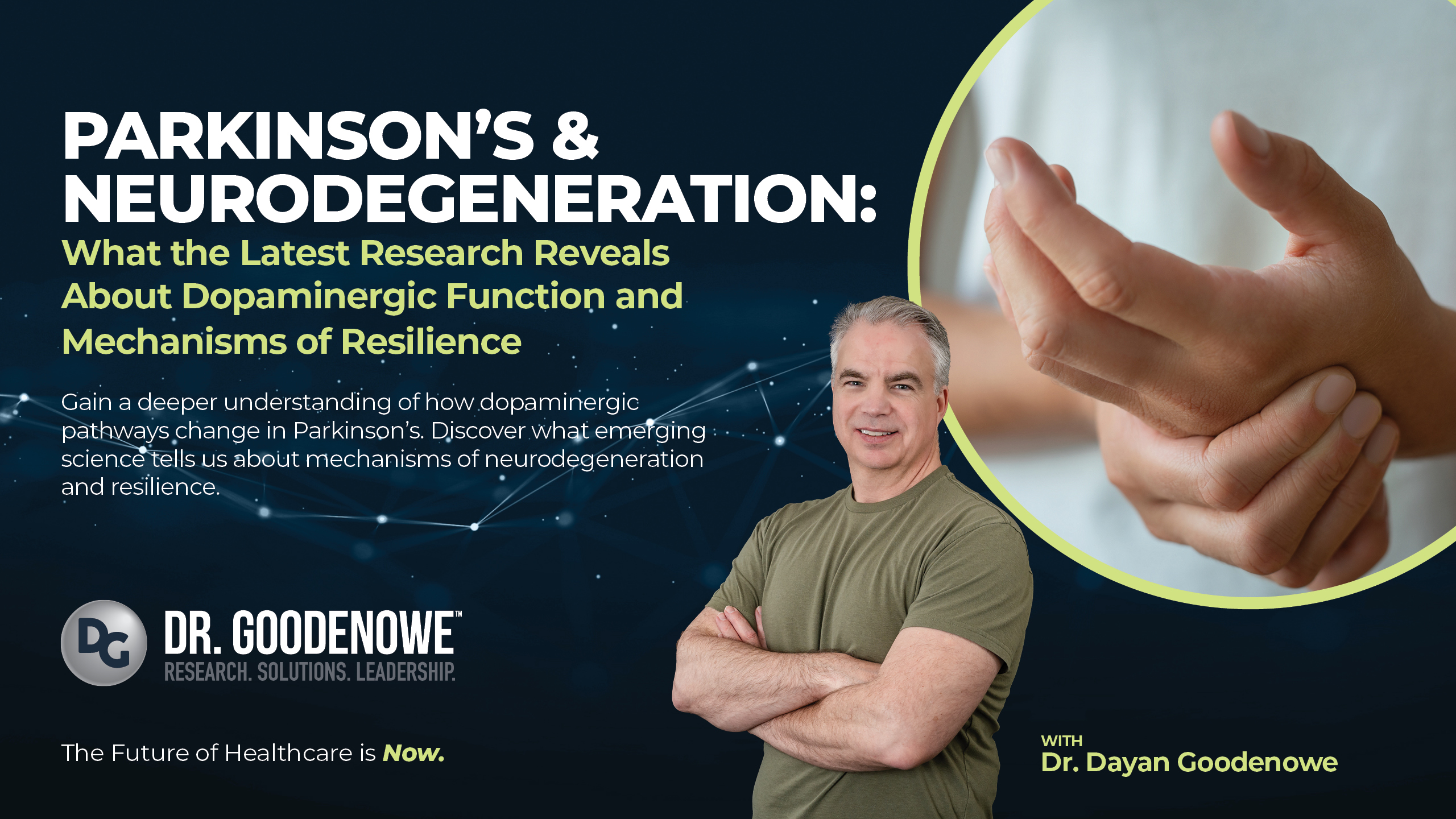
Gain a deeper understanding of how dopaminergic pathways change in Parkinson’s.
Discover what emerging science tells us about mechanisms of neurodegeneration and resilience.
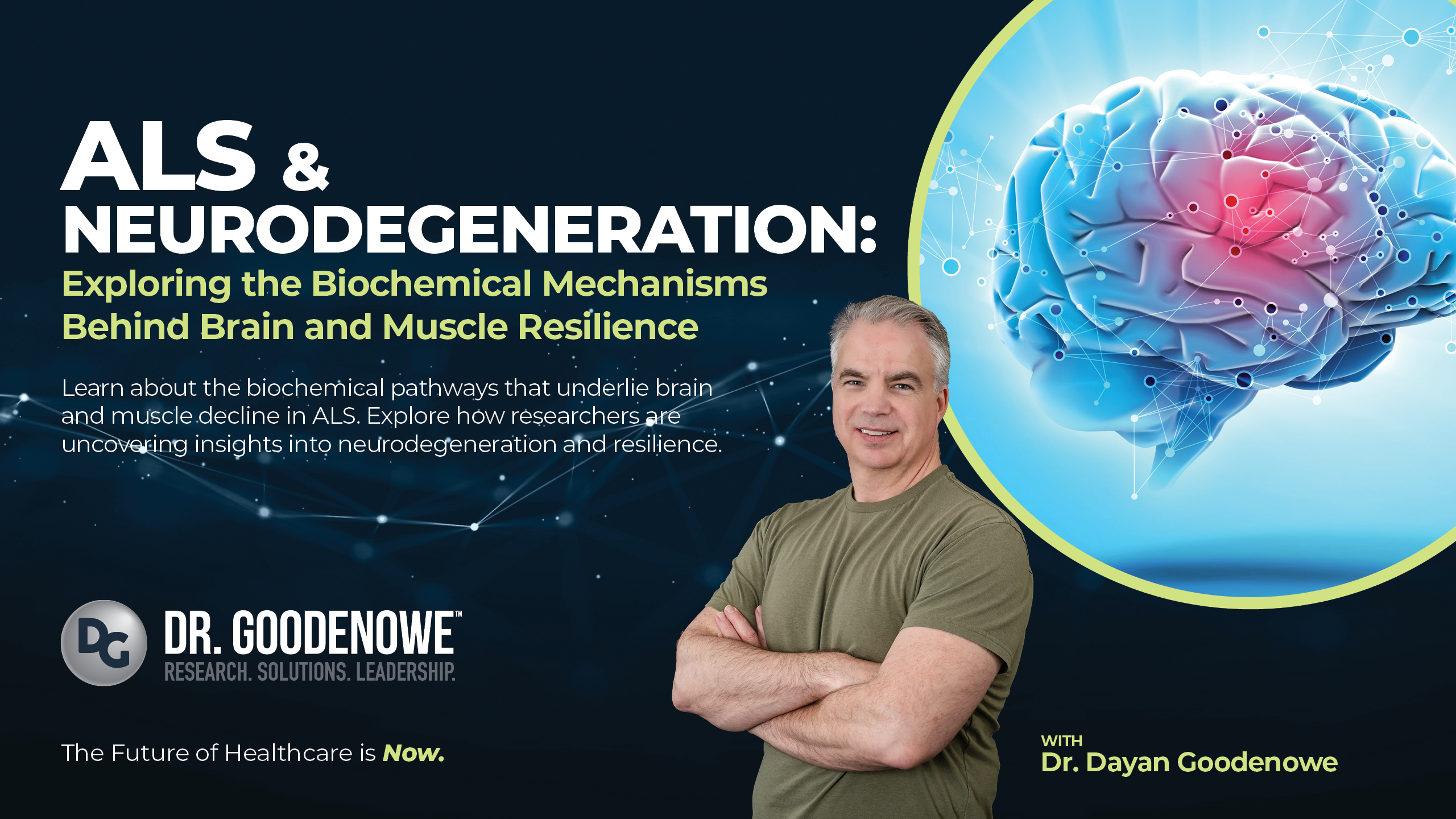
Learn about the biochemical pathways that underlie brain and muscle decline in ALS.
Explore how researchers are uncovering insights into neurodegeneration and resilience.

Discover what the latest research reveals about neuroinflammation, myelin, and white matter changes in MS.
Explore the biological mechanisms being studied for repair and recovery.
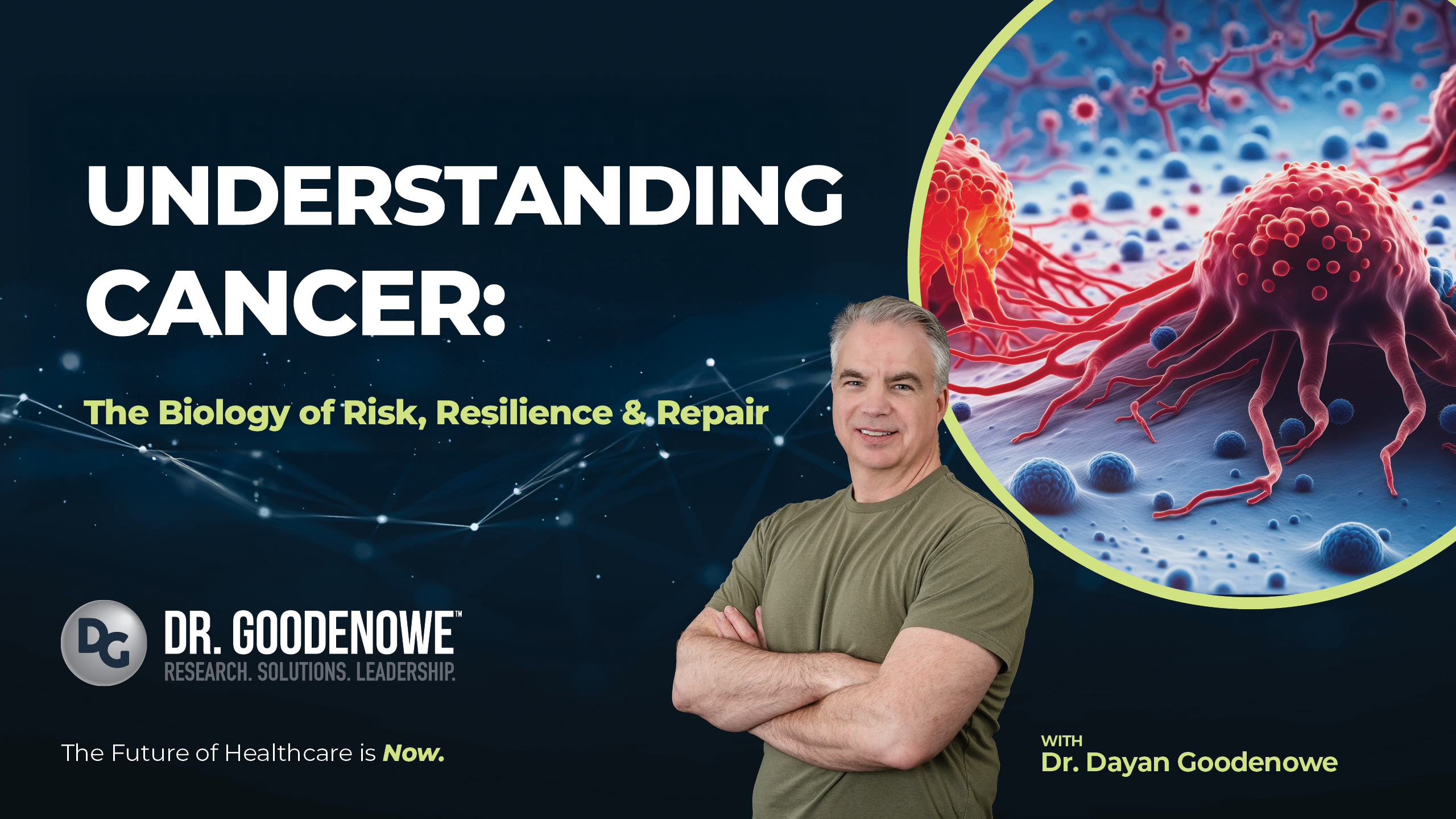
Explore how cancer alters core cellular pathways, from lipid metabolism to membrane integrity.
Learn what research reveals about stress responses, communication, and resilience at the cellular level.
Examine the science of aging across the brain and body.
Gain insights into cognition, muscle function, and the mechanisms that shape resilience later in life.
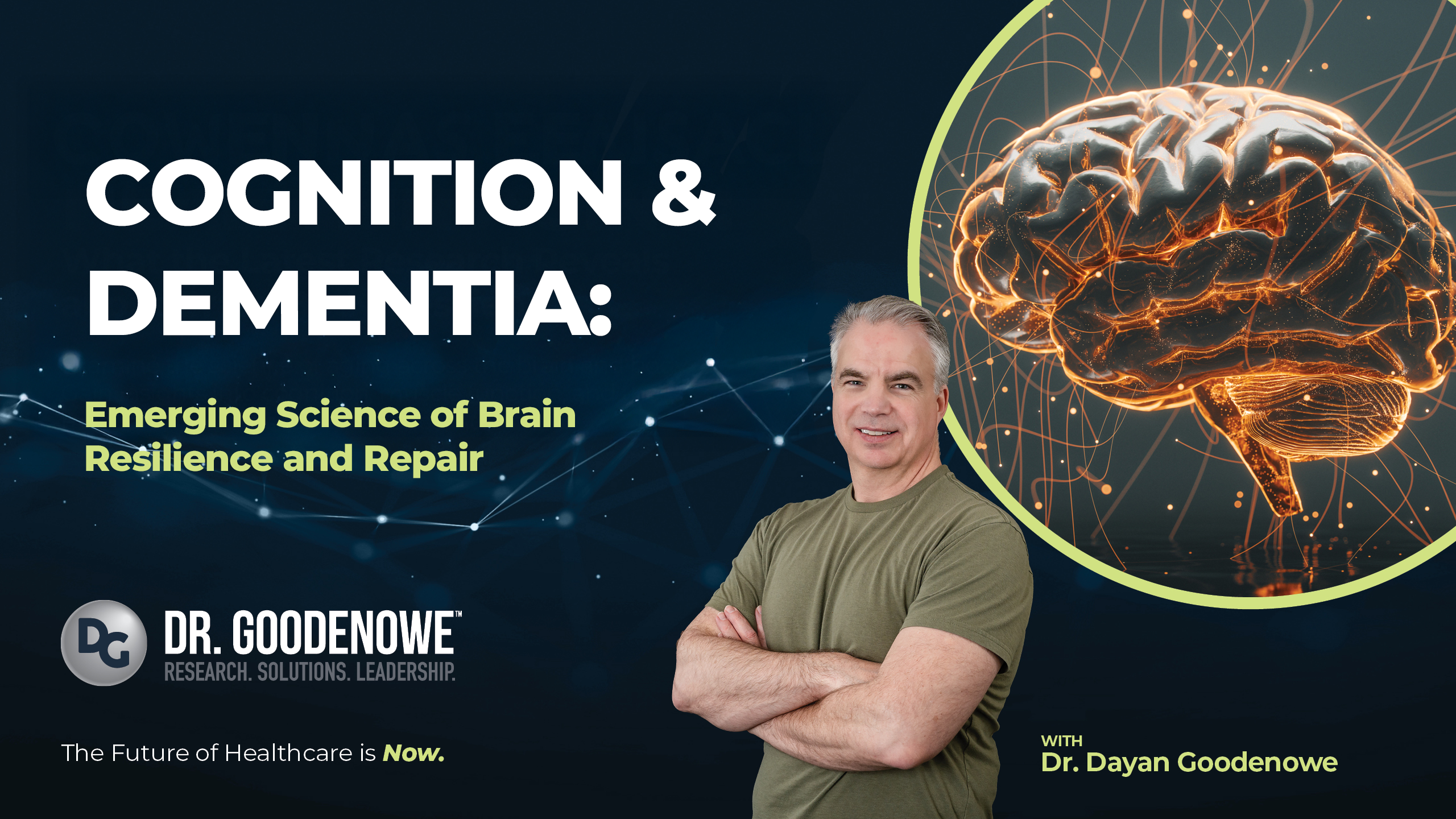
Examine the science of aging across the brain and body.
Gain insights into cognition, muscle function, and the mechanisms that shape resilience later in life.
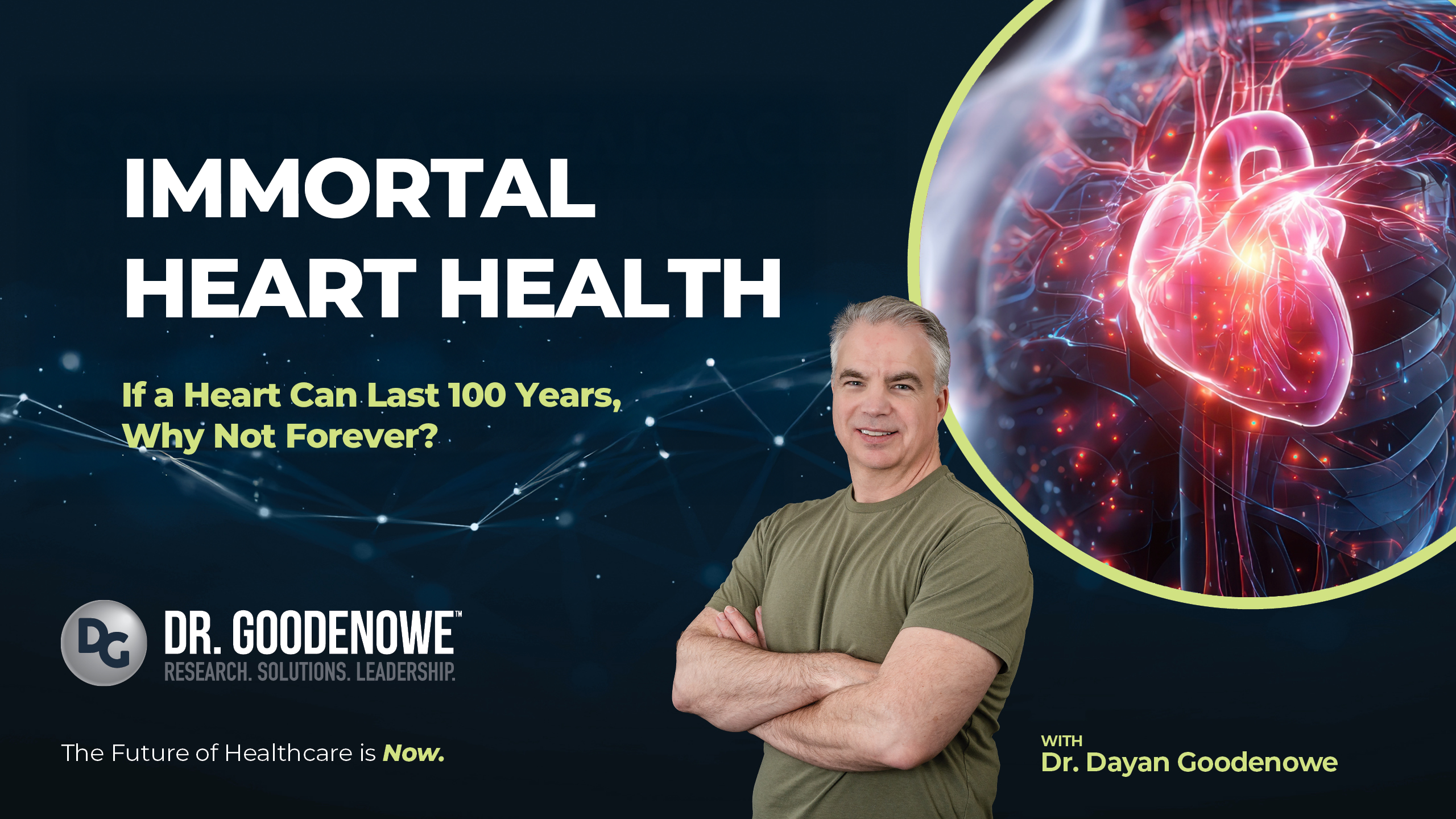
What you’ll learn:
• What a quantifiably healthy heart looks like on imaging, labs, and function tests
• How structure (muscle, valves, conduction) and function (output, rhythm, repair) reveal real long-term heart health
• What causes a healthy heart to fail?
• Biochemical drivers of heart health and how to optimize heart health
What you’ll learn:
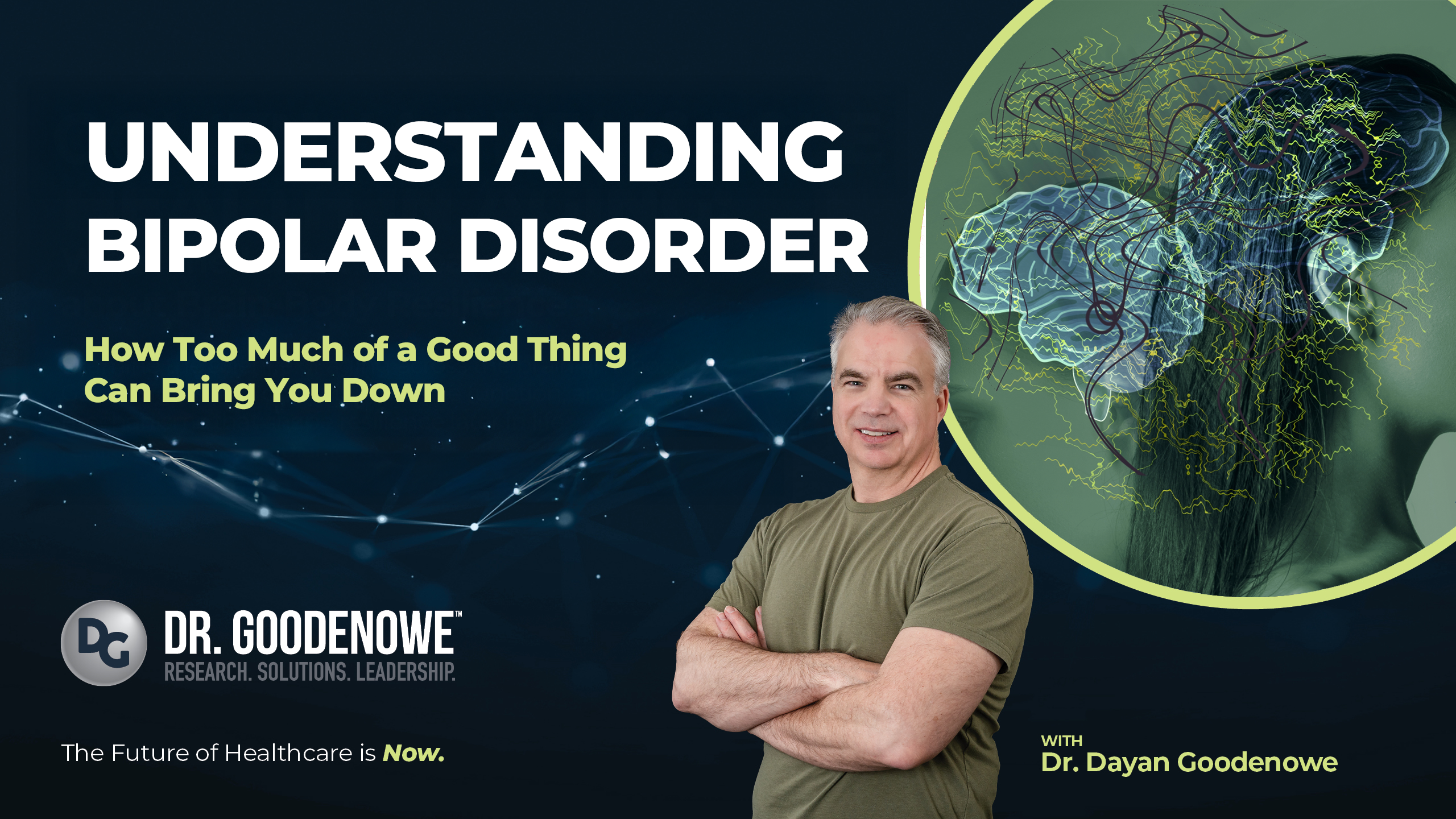
• Learn the unique biochemistry of bipolar disorder and how the bipolar brain achieves its hyper-functional state
• How to support brain health and keep the bipolar brain from burning out
What you’ll learn:
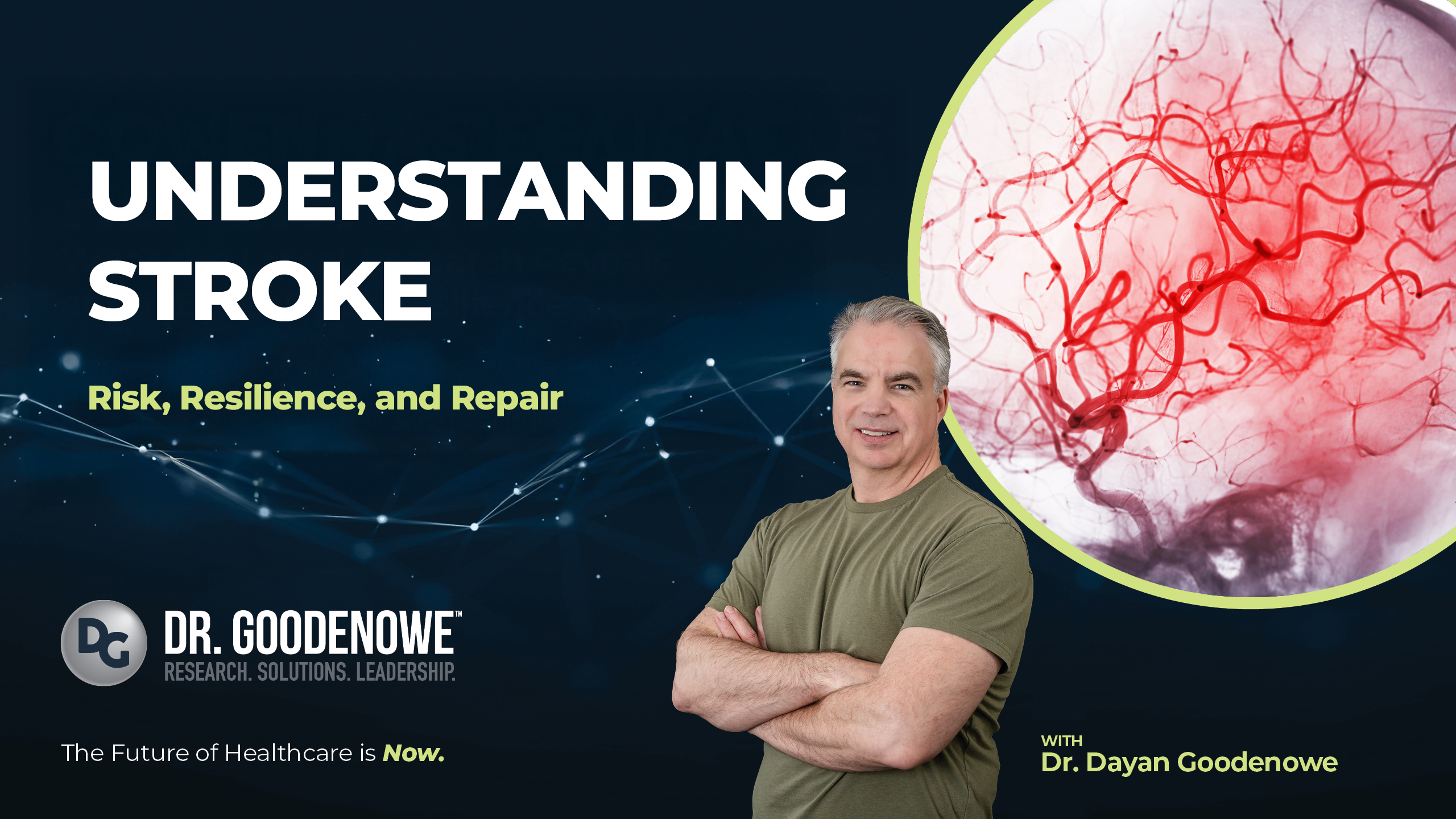
• What causes a stroke? Is it possible to prevent a stroke?
• What happens to the brain during a stroke? Is it possible to restore brain function after a stroke?
• What are the essential biomarkers of stroke risk and recovery? How can you measure them?
What you’ll learn:
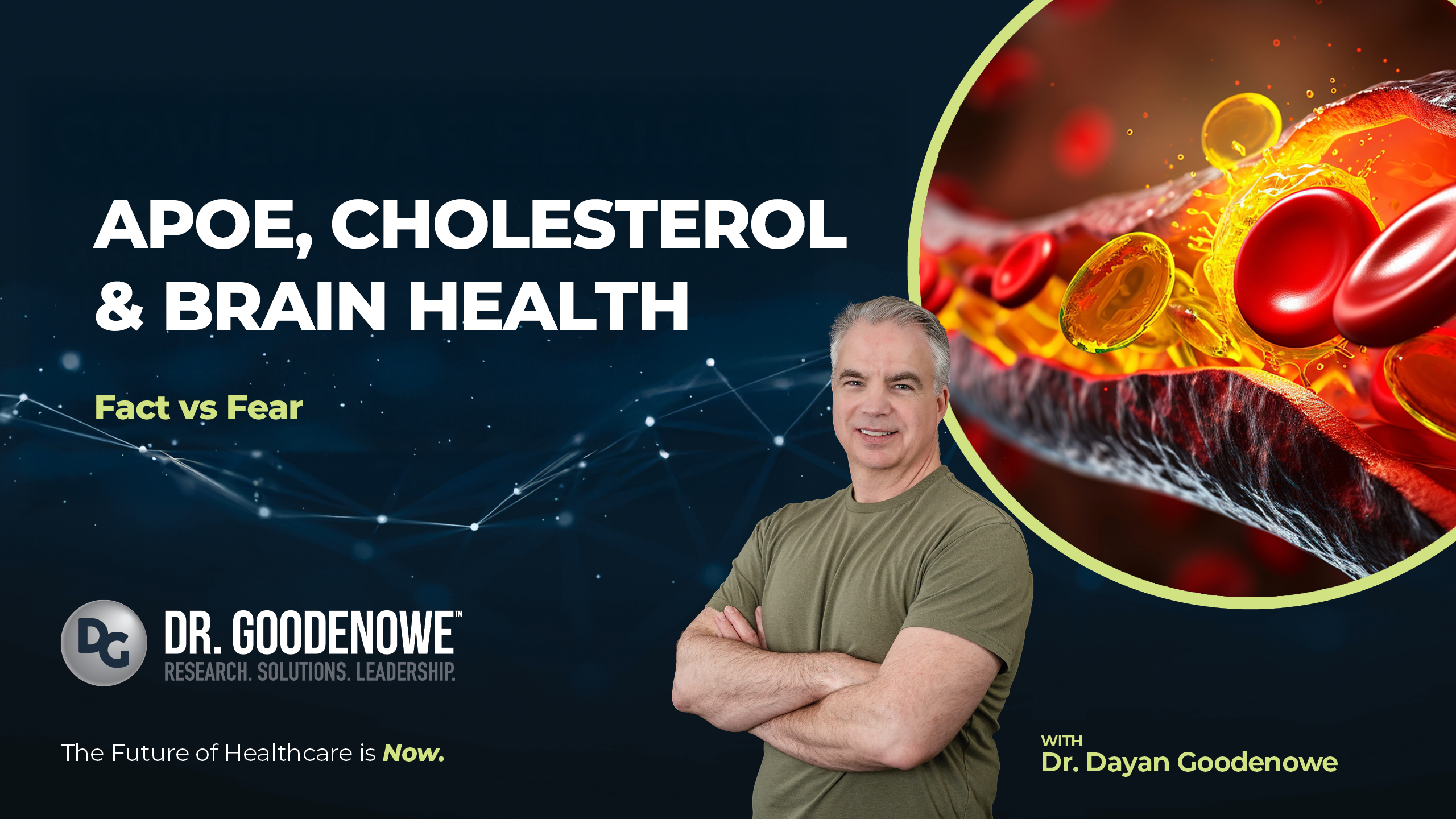
• Good vs bad cholesterol: is there a difference?
• APOE2, APOE3, and APOE4- what's the difference, and why do they matter?
• Cholesterol and mortality: do we have the story backwards?