Understanding Alzheimer’s: The Science of Cognition, Dementia, and Brain Health
Examine the science of aging across the brain and body.
Gain insights into cognition, muscle function, and the mechanisms that shape resilience later in life.

Examine the science of aging across the brain and body.
Gain insights into cognition, muscle function, and the mechanisms that shape resilience later in life.
What you’ll learn:
• What a quantifiably healthy heart looks like on imaging, labs, and function tests
• How structure (muscle, valves, conduction) and function (output, rhythm, repair) reveal real long-term heart health
• What causes a healthy heart to fail?
• Biochemical drivers of heart health and how to optimize heart health
What you’ll learn:
• Learn the unique biochemistry of bipolar disorder and how the bipolar brain achieves its hyper-functional state
• How to support brain health and keep the bipolar brain from burning out
What you’ll learn:
• What causes a stroke? Is it possible to prevent a stroke?
• What happens to the brain during a stroke? Is it possible to restore brain function after a stroke?
• What are the essential biomarkers of stroke risk and recovery? How can you measure them?
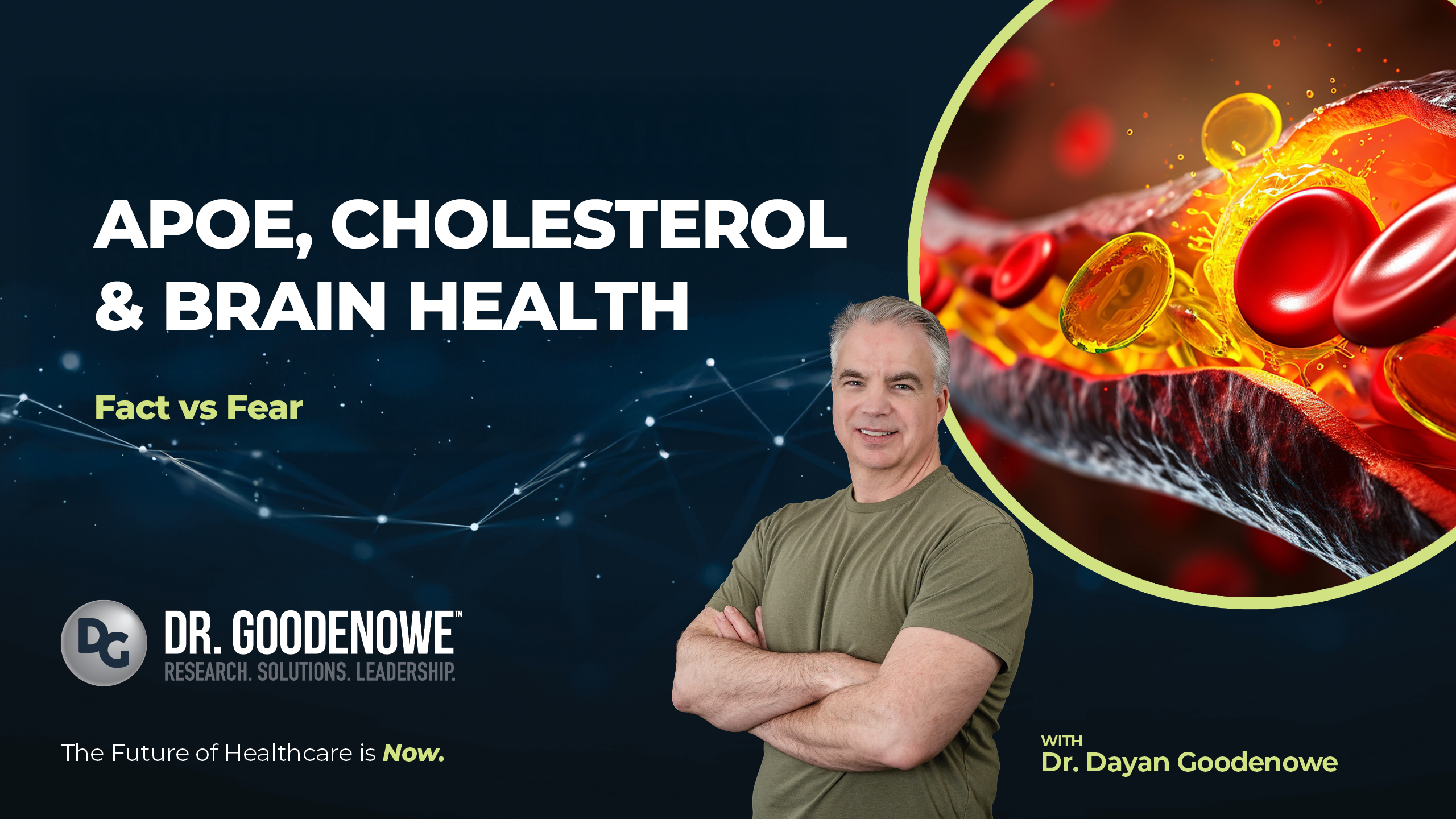
What you’ll learn:
• Good vs bad cholesterol: is there a difference?
• APOE2, APOE3, and APOE4- what's the difference, and why do they matter?
• Cholesterol and mortality: do we have the story backwards?
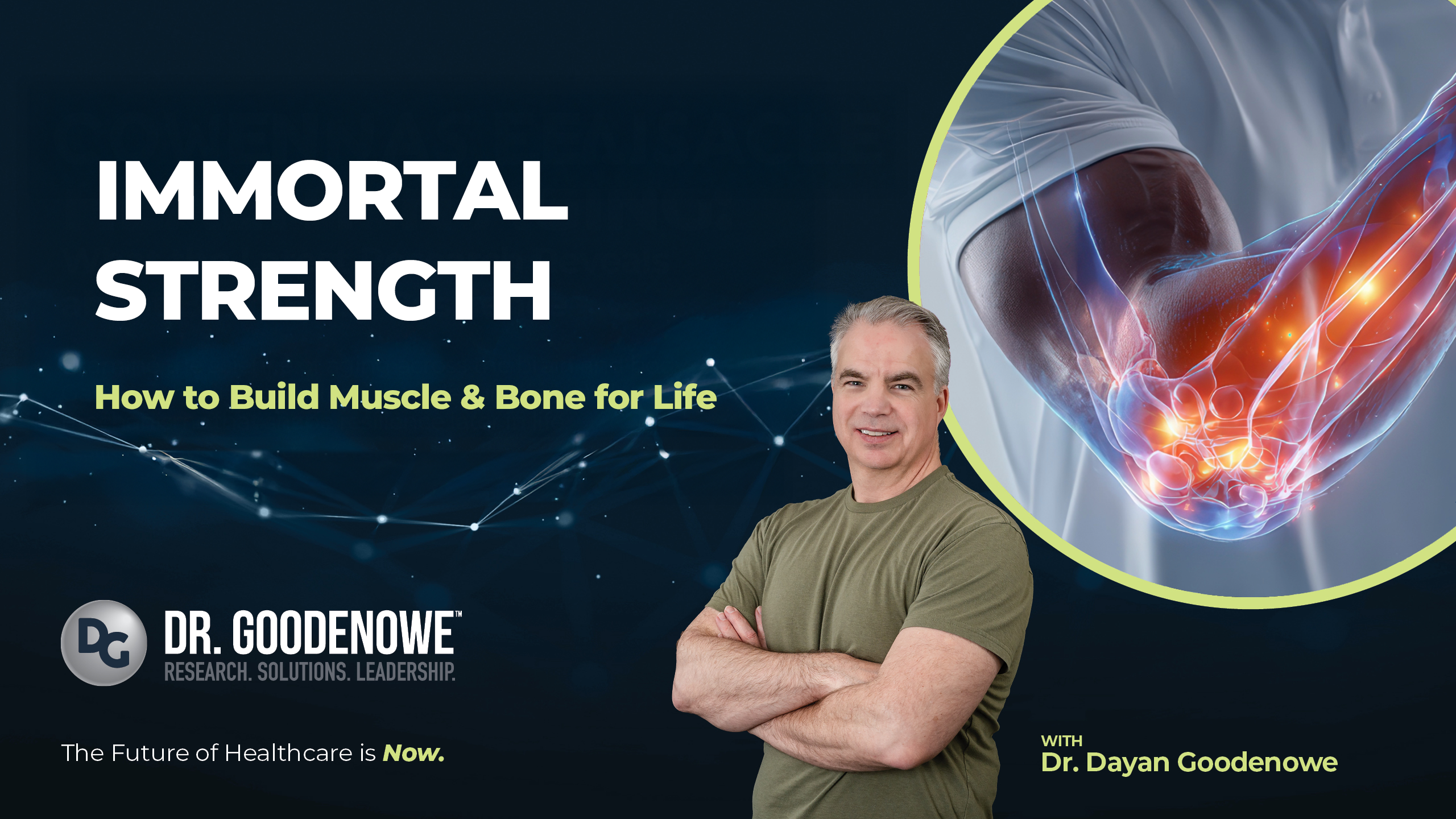
What you’ll learn:
• Why do we lose muscle mass and bone density as we age? Is it inevitable?
• Why maintaining muscle mass and bone density is the most important determinant of health in old age
• How to build muscle and increase bone density at any age.
What Human Health Research Can Teach Us About Dogs, Cats, and Horses
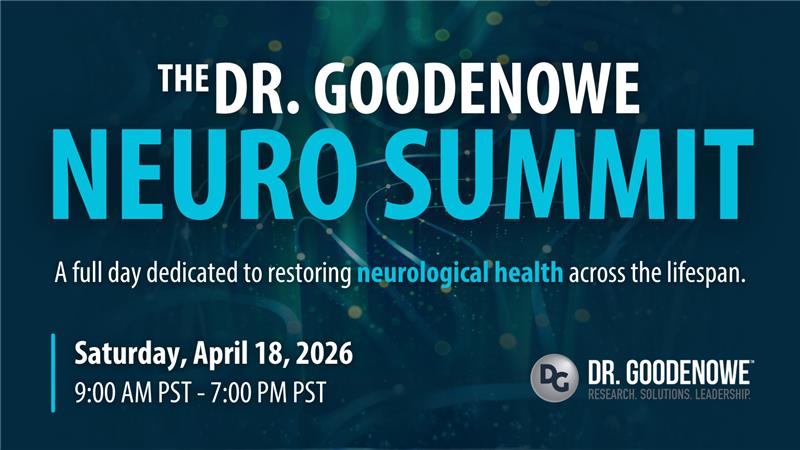
Join Dr. Dayan Goodenowe in person for a full day of cutting-edge neuroscience: research, real-life case studies, and biochemical insights spanning autism, concussion and TBI, Alzheimer’s and dementia, Parkinson’s disease, and the science of healthy aging and lasting vitality. Learn More Here →
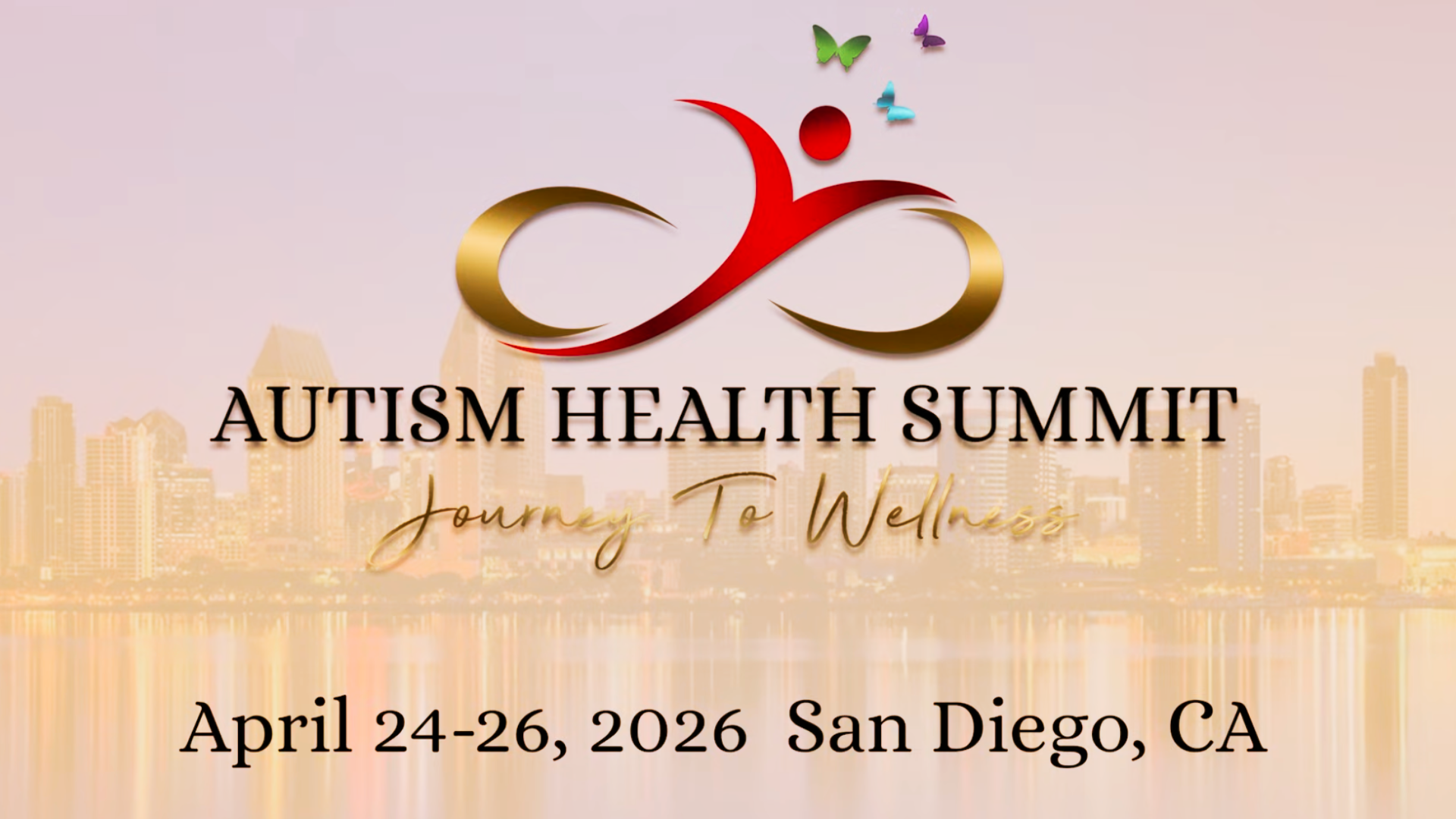
Join Dr. Dayan Goodenowe on April 24, 2026, at the Autism Health Summit 2026, where he will speak on Neurodevelopment in Autism. This one-of-a-kind, parent-driven event brings together top doctors, therapists, researchers, and educators to share the latest in integrative health, biomedical treatments, therapies, nutrition, and more. Whether you're a parent, caregiver, or healthcare professional, the Autism Health Summit is designed to inform, inspire, and empower. Learn More and Register Here →
Join Dr. Dayan Goodenowe at the Autism Health Summit 2026 for an insightful presentation on plasmalogens, the specialized phospholipids essential for neurological health. Discover how these critical molecules support brain function and their potential role in autism spectrum disorders. This is a must-attend session for health professionals and families seeking evidence-based approaches to neurological wellness. This one-of-a-kind, parent-driven event brings together top doctors, therapists, researchers, and educators to share the latest in integrative health, biomedical treatments, therapies, nutrition, and more. Whether you're a parent, caregiver, or healthcare professional, the Autism Health Summit is designed to inform, inspire, and empower. Learn More and Register Here →
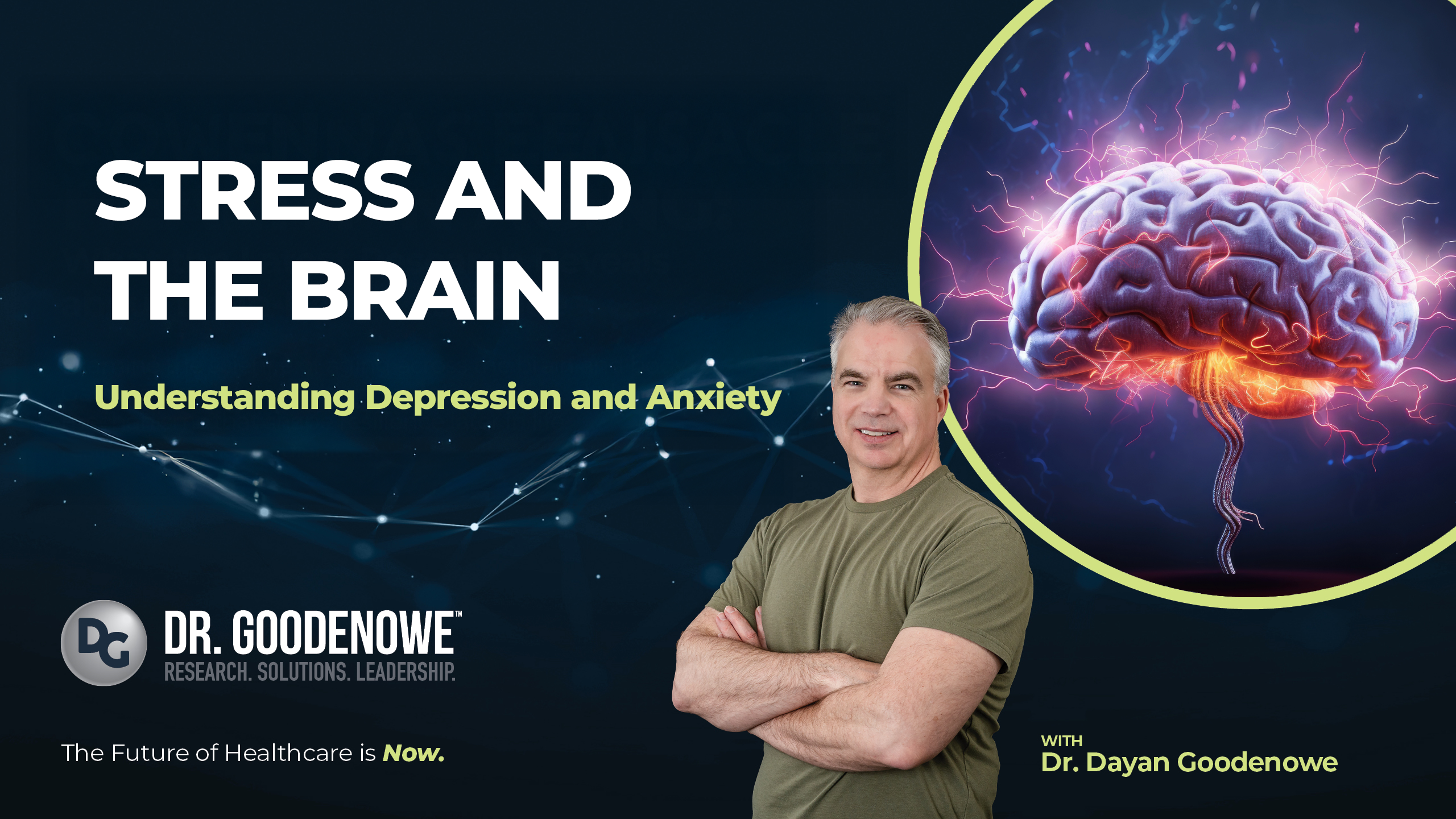
What you’ll learn:
• How the brain adapts to stress
• How short-term survival mechanisms can create long-term dysfunction
• How nutrition and lifestyle can support brain health and restore function
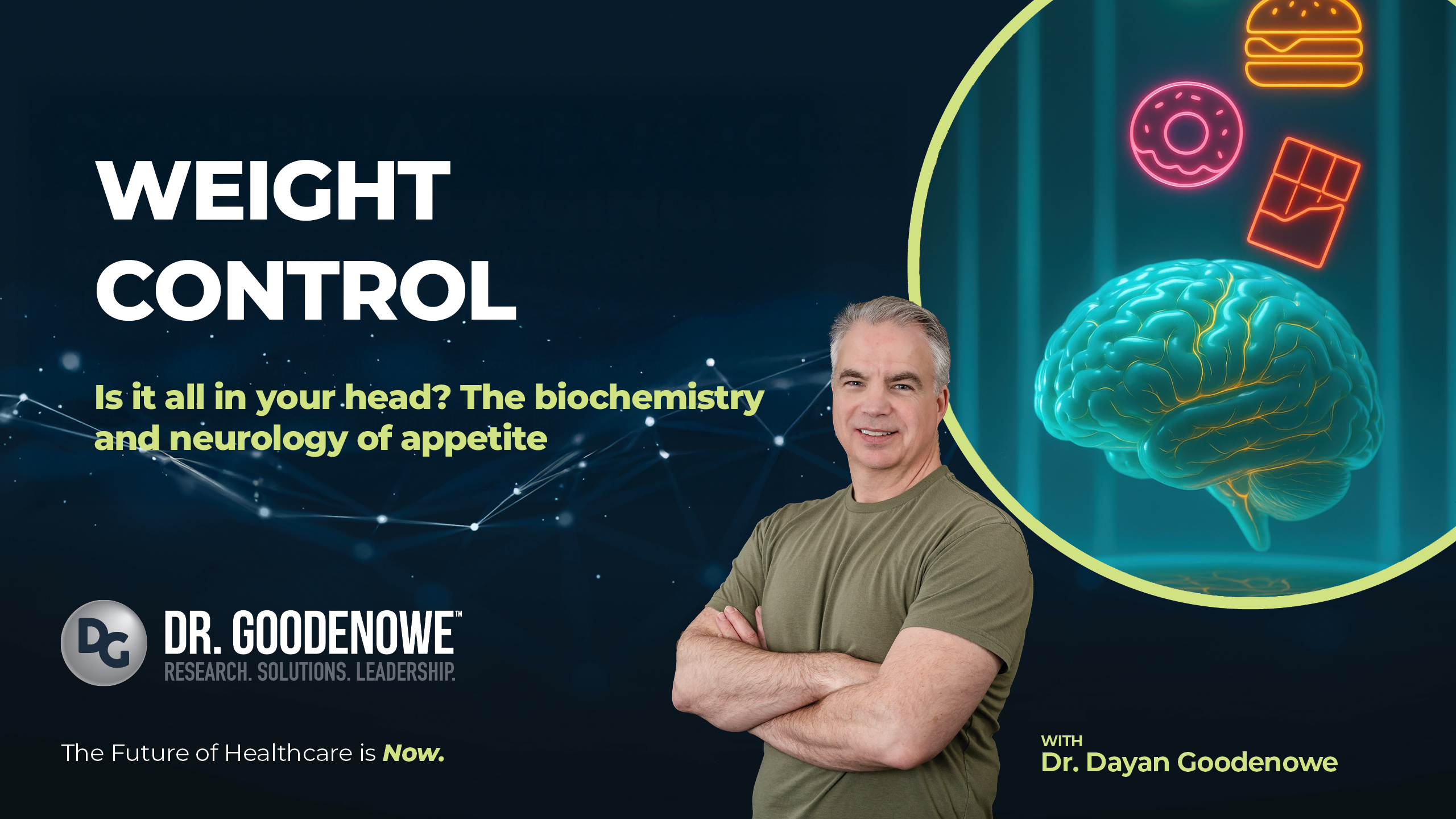
What you’ll learn:
• How eating patterns affect your brain and make you addicted to food
• How your metabolism drives your appetite and how to reset your metabolism to control cravings
• Biochemical markers of a healthy metabolism that everyone needs to know